
Our Products
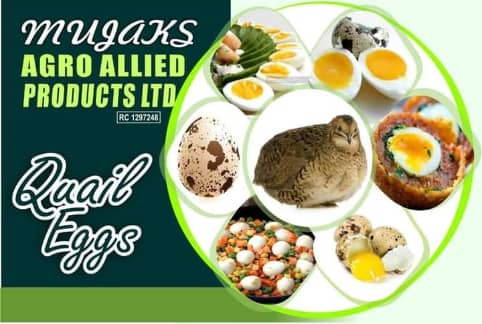
Quail Eggs
Quail eggs are small, speckled delicacies known for their rich flavor and unique texture, often sought after in gourmet cooking and fine dining. They are typically harvested from quails and are significantly smaller than chicken eggs, measuring about one-third the size. Nutritionally, quail eggs are a powerhouse, packed with protein, vitamins, and minerals, making them a healthy addition to various dishes. They can be enjoyed hard-boiled, fried, or pickled, and are often used in salads, sushi, or as elegant garnishes. Their delicate shells and vibrant yolks add a touch of sophistication and visual appeal to any culinary creation.

Tiger Nuts
Tiger nuts, also known as chufa, are small tubers that have gained popularity as a nutritious superfood due to their high fiber content, healthy fats, and essential vitamins and minerals. Native to Africa and parts of the Mediterranean, these nutrient-dense morsels are actually not nuts but a type of edible root that has been used for centuries in various cuisines. They are rich in resistant starch, which supports gut health, and are also a good source of magnesium, potassium, and antioxidants. Tiger nuts can be eaten raw, roasted, or ground into flour, and are often included in dairy-free milk alternatives, making them a versatile option for those seeking plant-based nutritional alternatives.
Kpekere (Plantain Chips)
Plantain chips are a popular snack made from unripe green plantains, which are sliced thin and fried or baked until crispy. They are often enjoyed as a crunchy alternative to potato chips and can be seasoned with a variety of spices, including salt, garlic, or chili powder, to enhance their flavor. Known for their slightly sweet and savory taste, plantain chips are commonly found in Latin American and Caribbean cuisines, but they have gained popularity worldwide as a gluten-free and nutritious snack option. Additionally, they are rich in dietary fiber and essential vitamins, making them a more health-conscious choice compared to traditional snacks.

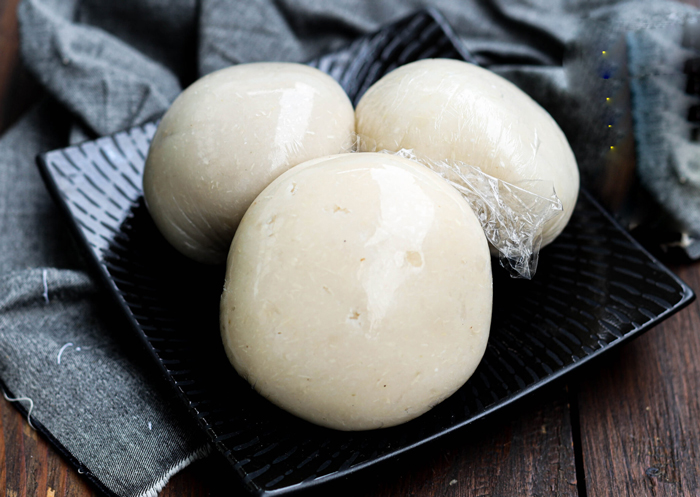
Odorless Fufu (Akpu)
Fufu is a traditional staple food widely consumed in many West and Central African countries, made from starchy ingredients such as cassava, yams, or plantains that are boiled, pounded, and formed into a smooth, elastic dough-like consistency. Its texture is often described as soft and sticky, making it perfect for scooping up accompanying soups, stews, and sauces. Fufu serves not just as a filling dish but also plays a significant cultural role, often enjoyed during communal meals and celebrations, reflecting the culinary heritage and social traditions of the regions it originates from.
Egusi
Egusi refers to the seeds of the melon fruit, particularly Citrullus lanatus and Cucumeropsis mannii, and is a staple ingredient in West African cuisine. Highly nutritious, egusi seeds are often ground into a powder and used to create rich, hearty soups and stews—most famously as a base in egusi soup, which is typically made with a variety of vegetables, meats, and spices. This dishes not only showcase egusi’s unique, slightly nutty flavor and thickening properties but also highlight its high protein and healthy fat content, making it a favorite among vegetarians and meat-eaters alike. Often enjoyed with pounded yam or fufu.


Ice Block
Ice blocks are solid pieces of frozen water, typically produced for use in cooling beverages, preserving food, or creating an enjoyable environment in hot weather. They are commonly found in households, bars, and restaurants, where they play an essential role in ensuring that drinks remain cold and fresh. Ice blocks can also be used for artistic purposes, such as ice sculptures or cooling displays at events. Made by freezing water in large trays or molds, they are often larger than standard ice cubes, providing a slower melting rate, which helps maintain a lower temperature for extended periods. Their versatility and practicality make ice blocks a staple in many commercial and personal settings.
©2025. Mujakfarms. All Rights Reserved. Powered by DTECH